


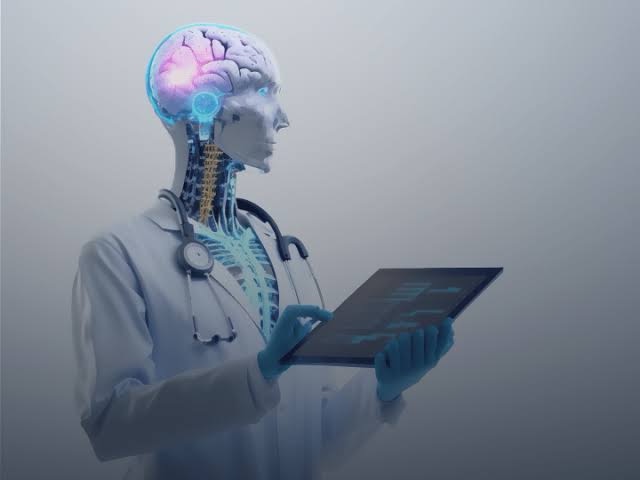
Artificial Intelligence (AI) is making groundbreaking strides in healthcare, transforming diagnostics and treatment methodologies that promise to enhance patient outcomes and streamline clinical workflows. With the ability to analyze vast amounts of medical data rapidly, AI technologies are redefining how healthcare providers approach patient care.
One of the most significant applications of AI is in diagnostic imaging. Machine learning algorithms can now interpret medical images—such as X-rays, MRIs, and CT scans—with remarkable accuracy. Recent studies show that AI systems can match or even exceed human radiologists in identifying conditions like tumors, fractures, and other abnormalities. For instance, a deep learning model developed by researchers at Stanford University achieved an accuracy rate of over 94% in detecting pneumonia from chest X-rays, underscoring AI’s potential to reduce diagnostic errors.
Moreover, AI is enhancing personalized medicine by analyzing genetic information and patient history to recommend tailored treatment plans. Tools like IBM Watson are already being utilized to evaluate clinical data and provide oncologists with insights on the most effective therapies for individual cancer patients, thus improving survival rates and quality of life.
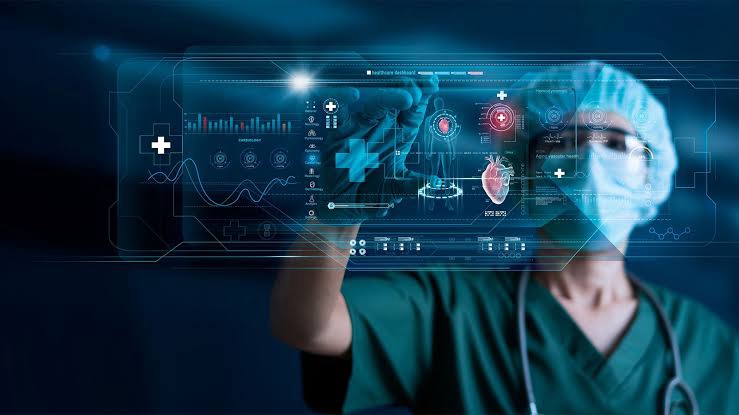
The integration of AI in healthcare also extends to administrative tasks. AI-powered chatbots are streamlining appointment scheduling and patient inquiries, freeing healthcare professionals to focus more on direct patient care. Additionally, predictive analytics can identify patients at risk of complications, enabling proactive interventions.
As AI continues to evolve, its potential to revolutionize healthcare remains immense. From improving diagnostic accuracy to personalizing treatment plans and optimizing hospital operations, AI is not just a trend but a transformative force reshaping the future of medicine for the better.

