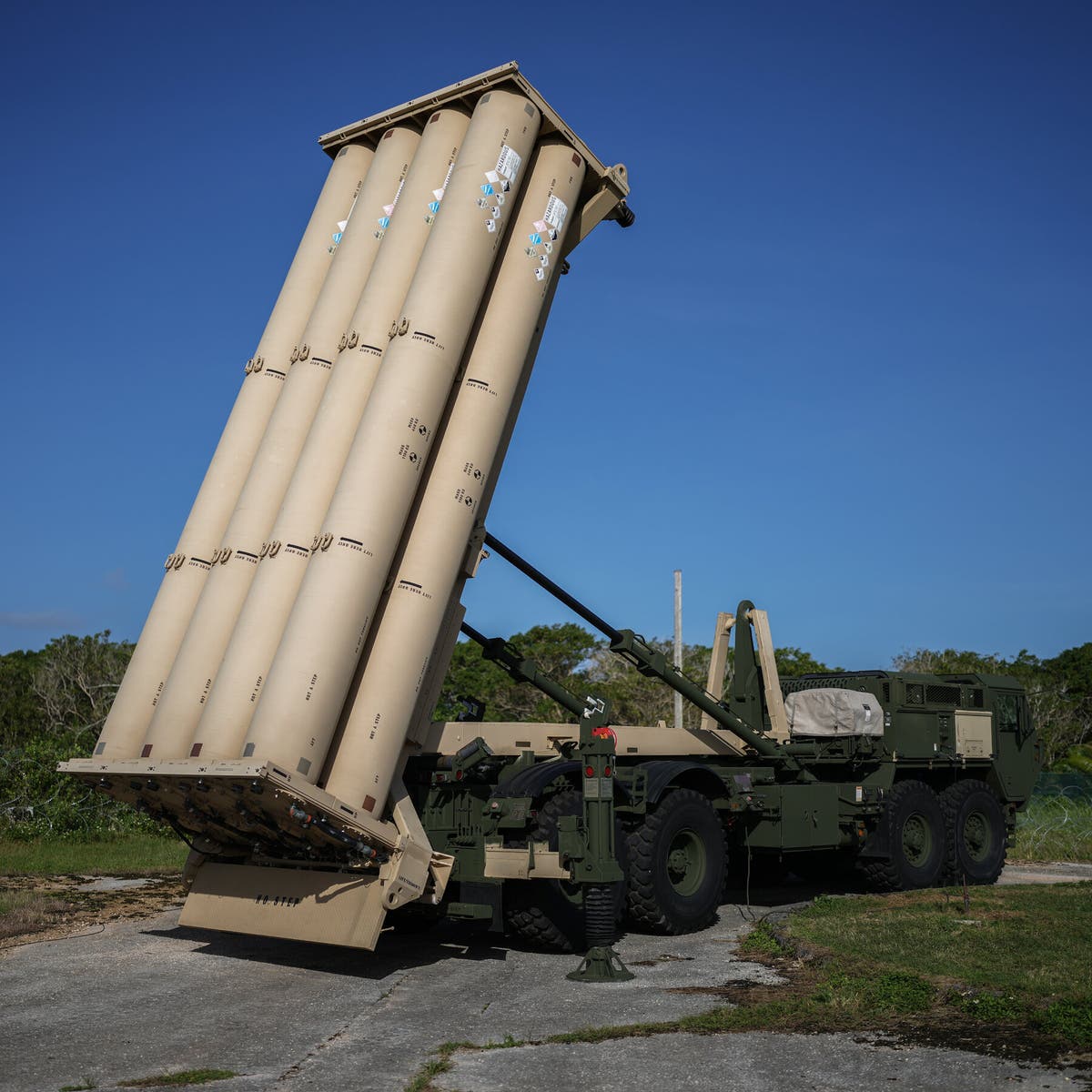


An advanced missile defense system has been deployed to Israel as part of U.S. efforts to bolster the country’s defenses against potential Iranian attacks. Defense Secretary Lloyd J. Austin III announced on Monday that the Terminal High Altitude Area Defense (THAAD) system, along with troops to operate it, has arrived in the country.
This deployment follows an Oct. 1 attack from Iran, in which Tehran launched approximately 180 ballistic missiles at Israel. Israel’s air defenses, along with support from the United States and other allies, successfully intercepted these missiles. The THAAD system, designed to enhance protection against short- and intermediate-range ballistic missiles, provides an additional layer of defense for Israeli cities, military installations, and personnel.
Secretary Austin confirmed that the THAAD system is now operational in Israel, stating, “We have the ability to put it into operation very quickly.” The arrival of about 100 U.S. troops marks the first significant military support from the U.S. to Israel following the Hamas-led attacks on Oct. 7, 2023.
The deployment occurs as Israel intensifies its military operations in Gaza and Lebanon against Iran-backed militia forces. In recent months, Israel has also targeted the Iran-aligned Houthi militia in Yemen and conducted strikes against Iran itself.
This isn’t the first instance of increased U.S. military presence in the region since the outbreak of conflict. Following the onset of the Gaza war, the U.S. dispatched warships to the Persian Gulf and sent THAAD and Patriot missile defense systems to various undisclosed locations. The Pentagon noted that there are currently over 40,000 U.S. troops stationed in the Middle East, with an additional 2,000 to 3,000 being sent to enhance security in the area.
The THAAD system is notable for its ability to intercept ballistic missiles at high altitudes, and it can also neutralize debris from downed missiles, reducing the risk of casualties and damage on the ground.
U.S. Missile Defense System Arrives in Israel Amid Rising Tensions