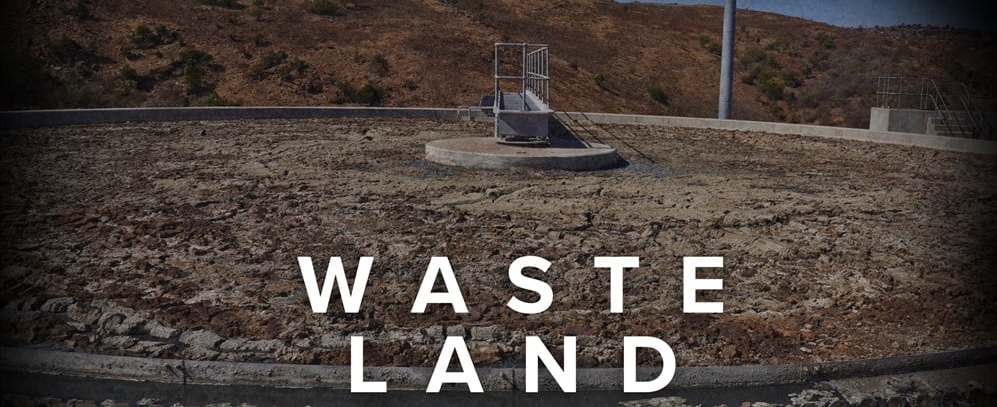


The failure of Mogale City’s sewage treatment infrastructure, despite a substantial cash injection of R300 million, has led to catastrophic consequences for the local communities and ecosystems that depend on the river for their survival. The situation paints a troubling picture of mismanagement and neglect in critical public services.
Over time, the deteriorating sewage system has resulted in the deliberate pumping of thousands of litres of untreated effluent into the rivers. This pollution not only contaminates the water supply but also threatens the health and well-being of residents. As a direct consequence, many local businesses have shuttered their doors, unable to cope with the adverse effects of pollution on their operations. The once-thriving economic activities in the area are now stifled, leaving many without jobs and further exacerbating the economic downturn.
Moreover, the health implications of this environmental disaster are alarming. The rampant discharge of untreated sewage has contributed to a rise in waterborne illnesses among residents, putting additional strain on already overwhelmed healthcare facilities. Communities that relied on the river for drinking water, agriculture, and recreation now face a crisis of trust in their water sources, as the very rivers that once supported their livelihoods have turned into sources of illness.
This crisis is a stark reminder of the urgent need for effective governance, accountability, and infrastructure management. It highlights the importance of ensuring that public funds are used efficiently and transparently to address critical issues like sewage treatment. As local authorities grapple with the aftermath of this failure, it is imperative that they prioritize restoring the health of the river and the well-being of the community. Failure to act decisively may result in long-lasting damage to both the environment and the socio-economic fabric of Mogale City. The situation calls for immediate intervention and a commitment to sustainable practices that will protect the community and restore the vital resources on which they depend.
“Mogale City’s Sewage Crisis: R300 Million Investment Fails, Endangering Health and Economy”