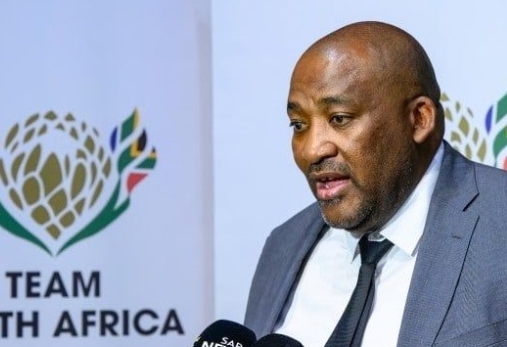


Sports, Arts and Culture Minister Gayton McKenzie has called on South African Rugby (SA Rugby) to seek an alternative equity partner, despite the Ackerley Sports Group’s stated intention to work with approved South African consortiums. This development comes as part of ongoing discussions and negotiations surrounding the future of rugby in South Africa, with the aim of strengthening the sport and its financial sustainability through strategic partnerships.
The Ackerley Sports Group, an organization involved in the sports investment and media sector, had previously expressed its interest in partnering with South African entities, including those that have been officially approved by SA Rugby, to invest in and grow rugby within the country. The group’s proposal had sparked discussions about potential collaborations aimed at bringing in new funding, resources, and expertise to support the growth of the sport and to enhance the national rugby team’s performance on the world stage.
However, Minister McKenzie has expressed reservations about the partnership, urging SA Rugby to reconsider the current partnership arrangement. According to McKenzie, there are concerns regarding the alignment of the Ackerley Sports Group’s objectives with South African values and goals for rugby development. The Minister’s position is one of caution, as he emphasizes the need for any equity partner to have a genuine commitment to the sport and to the country’s broader social and economic objectives.
One of the key factors influencing McKenzie’s call for an alternative partner is the importance of ensuring that South African interests are protected and promoted. The Minister has stated that he believes any partnership must prioritize the development of local rugby talent and ensure that the benefits of the partnership are felt by all levels of the sport, from grassroots programs to elite competition. This includes ensuring that there is a clear focus on expanding rugby’s reach and accessibility across all regions of South Africa, especially in areas that have traditionally been underserved or marginalized in terms of sports development.
McKenzie’s request also reflects a broader desire to ensure that South African rugby retains full control over its future, including financial decisions, player development, and the promotion of rugby as a central part of the country’s sports culture. He has expressed concern that an international partner, such as Ackerley Sports Group, may not fully understand or prioritize the unique needs and challenges facing South African rugby. Therefore, McKenzie advocates for a partnership that reflects the values and vision of local stakeholders and that would contribute to the long-term growth and success of rugby in South Africa.
While Ackerley Sports Group has made it clear that they are committed to working with South African consortiums that have been approved by SA Rugby, McKenzie’s stance presents a significant challenge to the negotiations. Ackerley’s willingness to work with local partners is seen as a positive step, as it acknowledges the importance of collaboration with South African entities in the development of the sport. However, the Minister’s call for a re-evaluation of the partnership suggests that the existing proposals may not meet the expectations of all parties involved, particularly with regard to the level of local control and involvement.
This situation underscores the complex dynamics between international investments and local interests within the world of South African sports. South Africa has long been a powerful force in rugby, with its national team achieving significant success on the global stage. However, maintaining that success requires a careful balance between attracting international investment and ensuring that the sport’s growth remains rooted in South African communities. McKenzie’s request serves as a reminder of the need for ongoing dialogue and collaboration between the government, SA Rugby, and potential partners to ensure that the sport’s future development is in line with national goals.
As negotiations continue, the focus will likely shift toward finding a suitable partner that aligns with South Africa’s values and rugby vision. This may involve further discussions with potential investors and stakeholders to reach a consensus on how best to move forward. For now, the call for an alternative equity partner signals a significant moment in the evolution of South African rugby, one that could shape the sport’s future for years to come.
“Minister Gayton McKenzie Calls for Alternative Equity Partner for SA Rugby Amid Concerns Over Ackerley Sports Group”