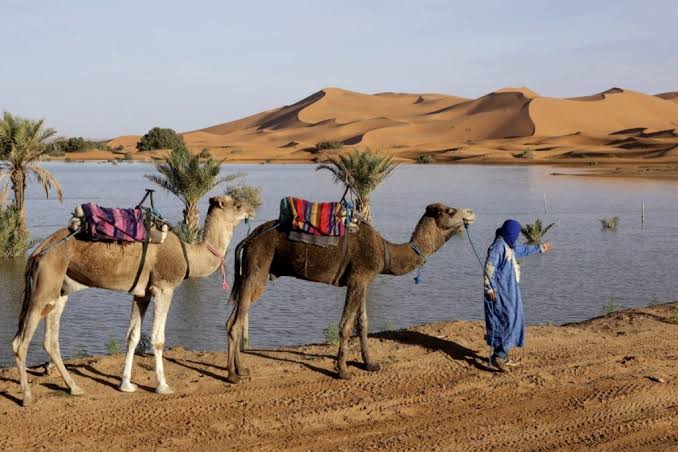


Morocco’s southern region, which is traditionally characterized by its arid climate and dry landscapes, has recently experienced an unprecedented and intense episode of flooding that has significantly impacted local communities and agricultural practices. This unusual weather phenomenon has transformed the region, leading to severe inundation in areas that typically see very little rainfall. As a result, the flooding has disrupted the daily lives of residents, causing damage to infrastructure, impairing transportation, and limiting access to essential services.
The agricultural sector, heavily reliant on consistent weather patterns, has been particularly hard-hit by these unexpected floods. Farmers have faced substantial challenges as crops have been adversely affected, leading to concerns about food security and the economic stability of the region. While some of the sudden influx of water might benefit certain crops, it has also caused issues like soil erosion and waterlogging, threatening the long-term productivity of farmland.
This extreme weather event underscores the increasing unpredictability of climate patterns and highlights the urgent need for communities to adapt to shifting environmental conditions. The consequences of the flooding reveal the vulnerability of areas unaccustomed to such weather extremes and raise critical questions about future preparedness, resilience, and strategies for mitigating the impacts of climate change in the region.
“Unprecedented Flooding in Morocco’s Arid South Impacts Communities and Farming”