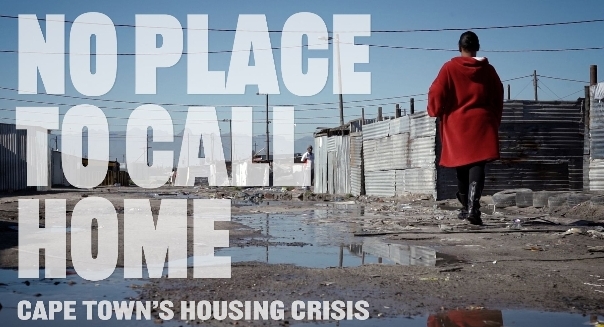


Cape Town, a city renowned for its stunning landscapes and vibrant culture, is grappling with a severe housing crisis that has brought issues of inequality and social division to the forefront. This pressing problem is explored in the powerful documentary No Place to Call Home, which is being presented exclusively on News24. The film takes a deep dive into the city’s rapidly expanding housing crisis, examining not only the growing disparity among its residents but also how the deep-rooted effects of apartheid-era spatial planning continue to shape the urban landscape today.
For decades, Cape Town has struggled with the lasting impacts of apartheid, the racially discriminatory policy that formally separated communities based on race. This division is still clearly evident in the city’s layout, where historically marginalized communities, primarily Black and Coloured people, were forced into areas far from the city center. These neighborhoods were often poorly resourced, lacking basic infrastructure and services, and were situated in places that isolated these communities from economic opportunities and social mobility. Despite the end of apartheid over 30 years ago, the legacy of this spatial planning remains, with many of these communities still living in substandard conditions and facing significant barriers to accessing better housing, jobs, and education.
No Place to Call Home delves into the human side of this crisis, highlighting the personal stories of those caught in the struggle for a decent place to live. Through intimate interviews and on-the-ground footage, the documentary paints a stark picture of the challenges faced by people who are unable to afford suitable housing in a city where property prices have soared beyond the reach of many. The film also emphasizes the toll this crisis takes on individuals and families, as they are forced to live in overcrowded informal settlements or makeshift homes that lack basic amenities such as running water, electricity, and proper sanitation.
The film makes it clear that the housing problem in Cape Town is not just about the physical shortage of homes, but also about the deepening social divides between the wealthy and the poor. As property developers and the city’s affluent residents push for gentrification and the expansion of high-end housing projects, poorer communities are increasingly being displaced. The documentary highlights how the growing disparity between the city’s rich and poor is intensifying, with the gap widening every year. It underscores how economic and racial inequality are deeply interconnected, as wealthier Capetonians continue to benefit from the city’s resources, while those living in poverty are often left behind.
Moreover, No Place to Call Home examines the role of government policy and urban planning in exacerbating the crisis. While some efforts have been made to address the housing shortage through social housing projects and government-backed initiatives, the documentary suggests that these measures have often been inadequate or poorly executed. The film questions the effectiveness of these programs, pointing out that the political will to confront the root causes of inequality and spatial division has been lacking. It also highlights the failure to implement long-term solutions that would integrate marginalized communities into the fabric of the city, offering them greater access to opportunities and services.
As the documentary unfolds, it calls for a reassessment of Cape Town’s housing policies and the need for a more inclusive and equitable approach to urban development. It pushes for the recognition that solving the housing crisis requires more than just building new homes—it requires a fundamental shift in the way the city is planned and developed. To address the ongoing legacy of apartheid spatial planning, the film argues, there must be a concerted effort to reverse the inequalities created by past policies and to ensure that all residents, regardless of race or economic status, have access to dignified housing and the opportunities that come with it.
Through its compelling portrayal of the ongoing housing struggles in Cape Town, No Place to Call Home paints a sobering picture of a city divided not only by physical distance but by deeply entrenched social and economic divides. It serves as a powerful reminder that the consequences of apartheid are far from over and that addressing the housing crisis is crucial to achieving a more just and equal society for all Capetonians.
“Divided by Space, United by Struggle: Cape Town’s Ongoing Housing Crisis”