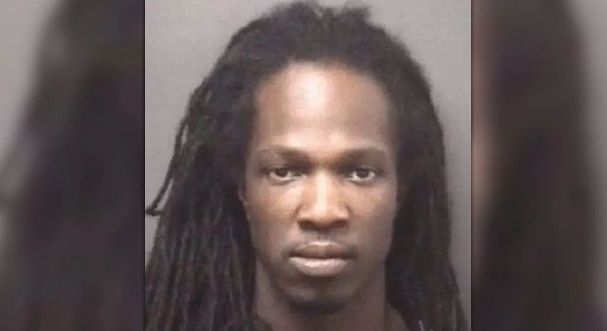


A former federal prosecutor, who was involved in the case that led to a man being sentenced to death, has expressed his profound difficulty in accepting the recent decision made by President Biden. On Monday, the President announced a sweeping decision to commute the sentences of nearly all federal inmates who were facing execution. This move has sparked considerable debate, especially from those who have been directly involved in high-profile cases such as this prosecutor. For him, it is particularly hard to witness a person, whom he deems a “remorseless murderer,” have their death sentence overturned.
The prosecutor’s remarks reflect the emotional and moral complexities that accompany the decision to commute death sentences, especially for individuals convicted of heinous crimes. In this case, the man in question had been sentenced to death after being found guilty of a particularly brutal and unforgiving crime. The prosecutor, having worked on the case, sees the commutation not as a step towards justice but as a disservice to both the victim and society as a whole. The term “remorseless murderer” underscores the belief that this individual has shown no remorse for their actions and therefore does not deserve to have their sentence reduced, regardless of any legal arguments or broader political considerations that may favor reform.
President Biden’s decision to commute the sentences of federal death row inmates has raised significant discussions about the moral, legal, and practical implications of the death penalty in the United States. The move is part of a broader trend towards reevaluating the use of capital punishment, with a growing emphasis on the possibility of wrongful convictions, racial biases in sentencing, and the overall fairness of the justice system. Biden’s administration has made it clear that they believe the federal death penalty is deeply flawed and, in many cases, inhumane.
However, those like the former federal prosecutor argue that such decisions do not adequately take into account the severity of the crimes committed or the suffering of the victims. From their perspective, commutation serves to lessen the gravity of the punishment and undermines the principle of justice for the victims’ families. The prosecutor’s personal experience in working on such cases makes it difficult for him to reconcile the legal arguments for commutation with the moral weight of the crimes committed. He believes that some individuals are beyond rehabilitation, and in cases involving remorseless individuals, the death penalty might seem like the only just response.
This divide between those advocating for the abolition of the death penalty and those who argue for its continued use is not new. It reflects a deep ideological split over how society should handle the most extreme cases of criminal behavior. On one side, advocates of criminal justice reform point to the risk of executing innocent individuals, the disproportional impact on marginalized communities, and the evolving understanding of human rights. On the other, opponents of reform argue that certain crimes are so horrific and so detrimental to society that those responsible must be held to the highest standard of punishment.
The former prosecutor’s comments are a reflection of a broader sentiment among those who have worked within the criminal justice system, particularly those who have witnessed firsthand the devastating impact of violent crimes. They feel that decisions such as Biden’s to commute death sentences can be seen as a denial of justice, especially when the offender is perceived as showing no remorse or regard for the life they took.
In contrast, supporters of Biden’s decision argue that the federal death penalty system is broken beyond repair, and that a shift away from capital punishment is long overdue. They contend that the justice system should prioritize rehabilitation over retribution, focusing on the potential for individuals to change and make amends. They also highlight the high costs and complexities associated with carrying out the death penalty, as well as the moral and ethical questions it raises.
Ultimately, the controversy surrounding Biden’s decision underscores the ongoing national debate about the death penalty, criminal justice reform, and how society should address the most heinous crimes. While the former prosecutor’s perspective is rooted in his professional experiences and personal convictions, the broader conversation about the future of the death penalty is far from resolved. Biden’s actions are part of a broader movement that seeks to move away from punitive justice and towards a more rehabilitative approach, but this shift is far from universally accepted. The tension between justice for victims and reform for the justice system continues to shape this ongoing debate.
“Debate Over Commuting Death Sentences: A Former Prosecutor’s Perspective on Justice and Reform”