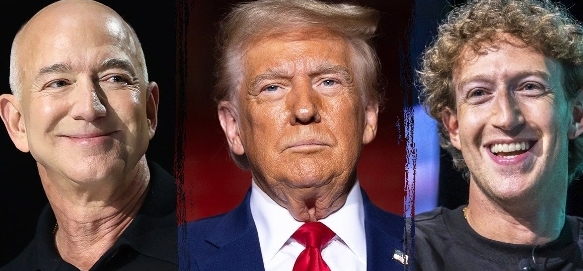


Several companies that previously clashed with President-elect Donald Trump during his past tenure are now contributing substantial donations to his 2025 inauguration fund, amounting to seven-figure sums. This notable shift in behavior underscores the evolving relationship between corporations and political leaders, particularly as they adapt to the dynamics of new administrations.
In the past, tensions between these companies and Trump arose from disagreements over policies, trade practices, or public comments. However, the current scenario reflects a more pragmatic approach by these organizations. By financially supporting the inauguration, these corporations may be seeking to foster a more collaborative relationship with the incoming administration, acknowledging the influence it holds over regulatory, economic, and trade decisions that can significantly impact their operations.
The shift in corporate strategy is not unprecedented in American politics. Businesses often reassess their positions following election outcomes, opting to align with leaders who hold power regardless of prior disagreements. This pragmatic pivot is frequently driven by the need to ensure their interests are well-represented and to mitigate any potential risks that could arise from strained relations with the government.
Inauguration donations, particularly those of significant value, have traditionally been a way for corporations to signal their support for a new administration while maintaining a presence in key political discussions. These contributions often fund inaugural events and celebrations, but they also serve as a platform for businesses to gain visibility and build goodwill with the incoming leadership.
While critics may view such donations as opportunistic or a form of lobbying, companies defend these actions as a necessary step to ensure their voices are heard in policy-making arenas. The financial support is seen as an investment in maintaining constructive communication and influence within the new administration’s decision-making processes.
The reversal in approach by these corporations also highlights the intricate interplay between business and politics. For many companies, the prospect of cooperating with the administration outweighs the potential reputational risks associated with past conflicts. Supporting the inauguration sends a message of reconciliation and a willingness to collaborate moving forward, which can be beneficial in a competitive economic and regulatory environment.
Observers note that this trend raises broader questions about the role of corporate influence in politics and the implications of such significant donations. Critics argue that these contributions can blur the lines between public service and private interests, potentially leading to favoritism or undue influence. Transparency and accountability in the reporting of these donations are crucial to addressing concerns about ethical governance.
From a historical perspective, corporate donations to inaugurations have often sparked debate about the balance between political engagement and influence. This ongoing dialogue underscores the need for clear regulations and oversight to ensure that these contributions align with democratic principles.
For the businesses involved, this strategic decision to donate reflects a calculated effort to navigate the political landscape effectively. By supporting the 2025 inauguration, they aim to position themselves as partners in advancing economic growth and addressing national challenges under the new administration. Whether this approach yields tangible benefits for both the corporations and the administration remains to be seen.
As the inauguration approaches, these significant donations are likely to remain a focal point of discussion. They not only shed light on the evolving nature of corporate-political relationships but also emphasize the importance of transparency and ethical considerations in maintaining public trust. Ultimately, this development illustrates the complex dynamics at play when businesses and politics intersect, particularly during moments of political transition.
“Corporate Shift: Former Trump Adversaries Pledge Seven-Figure Donations to 2025 Inauguration”