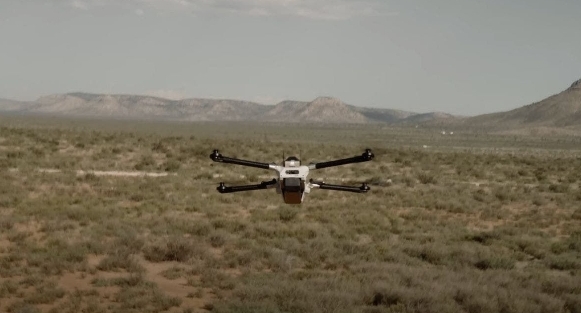


Following a classified briefing with U.S. intelligence officials, lawmakers emerged to reassure the public, stating that they had received clear assurances that there was nothing “nefarious” behind the recent surge in drone sightings in New Jersey. The briefing, which was held behind closed doors to discuss the growing concerns over the mysterious drones, aimed to provide lawmakers with detailed information and address any potential security threats associated with the unusual aerial activity.
The uptick in drone sightings across New Jersey had been raising alarms for several weeks, with residents and local authorities puzzled by the increased presence of unmanned aerial vehicles (UAVs) flying at night in areas where they had not been commonly seen before. While the motives behind the drone flights remain unclear, some speculation had emerged, with people questioning whether they could be connected to surveillance, espionage, or even criminal activity. This uncertainty prompted local and federal officials to investigate the source of the drones, leading to a series of classified briefings designed to assess any national security risks.
At the conclusion of the briefing, lawmakers were quick to emphasize that there was no evidence suggesting any malicious intent behind the drone sightings. They clarified that the information provided by intelligence officials did not point to any nefarious activities or foreign interference. According to these lawmakers, the drones’ presence had been thoroughly assessed and there were no indications that they posed a direct threat to the security of the United States or its citizens.
Despite the reassurances, the drone activity continues to be a point of interest for both lawmakers and the general public. Some have raised concerns about the potential implications of widespread drone usage, particularly if they are being used for surveillance purposes. The sheer volume of drone sightings in the region has sparked debate about the lack of regulations surrounding unmanned aircraft systems and the growing challenge of securing U.S. airspace against potential misuse. While lawmakers were assured that the current drone activity does not involve hostile or illicit intentions, questions remain about the broader implications of such technology being used without oversight or regulation.
Drone technology has advanced rapidly in recent years, and with its proliferation, concerns about privacy, safety, and security have become more pronounced. While drones have legitimate uses for everything from photography to agricultural monitoring, they can also be employed for malicious purposes, such as gathering intelligence or carrying out attacks. The proliferation of drones, combined with the relatively low cost of the technology, has led some to worry about the vulnerabilities it may introduce, particularly in sensitive or heavily trafficked areas.
The classified briefing provided lawmakers with more in-depth analysis of the situation, allowing them to understand the scope of the drone activity and its potential impact. Intelligence officials reportedly explained that while the drones themselves were not involved in any illegal activities, their sudden increase in sightings could indicate a new pattern that requires close monitoring. Lawmakers were reassured that intelligence agencies were closely following the situation and taking steps to investigate the origin of the drones and their possible purpose.
Despite these reassurances, the uncertainty surrounding the matter persists. While the government has not identified any immediate threats, the presence of drones in sensitive areas, such as near military installations or critical infrastructure, raises important questions about U.S. airspace security. The lack of clarity on the drones’ origin and purpose only adds to public unease. For now, lawmakers have expressed confidence that intelligence agencies are on top of the situation and that the public has nothing to fear. However, as drone technology continues to evolve and become more widespread, there is growing recognition that tighter regulations and security measures will be needed to address these emerging challenges in the future.
In conclusion, the classified briefing with U.S. intelligence officials provided lawmakers with assurances that there is no evidence of “nefarious” activities behind the recent uptick in drone sightings in New Jersey. However, the ongoing presence of these drones has raised concerns about airspace security, privacy, and the need for more robust regulations governing drone usage. While no immediate threats have been identified, the situation underscores the increasing challenges posed by the rapid advancement of drone technology and its potential implications for national security and public safety.
“Lawmakers Reassure Public After Briefing on New Jersey Drone Sightings, Insist No ‘Nefarious’ Activity Involved”