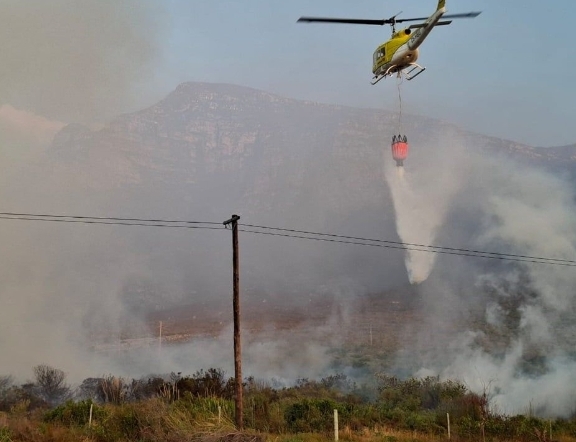


A fire that had broken out in Voëlklip, a popular area located in Hermanus, has now been successfully contained. The local authorities and firefighting teams worked tirelessly to bring the situation under control, preventing further spread and ensuring the safety of residents and the surrounding environment. Fortunately, the containment of the fire in Voëlklip marks a significant relief for the community, as they had been concerned about the threat posed by the flames. However, even as this fire is under control, firefighters in other parts of the Western Cape are still facing ongoing challenges.
In the Garden Route Municipality, which encompasses a wide stretch of coastal and inland areas, emergency teams are currently grappling with three separate wildfires. The wildfires in this region have been particularly challenging, as they are not only difficult to contain but also pose significant risks to local infrastructure, wildlife, and the lives of residents. Wildfires in South Africa have become an increasingly frequent and severe threat, often exacerbated by dry conditions, high temperatures, and gusty winds, all of which contribute to the rapid spread of flames across vast areas.
The Garden Route area, known for its natural beauty and dense vegetation, is especially vulnerable to such fires. With its forests, fynbos vegetation, and grasslands, the region is prone to wildfires during the hotter months of the year. While the authorities are working diligently to control the current wildfires, the unpredictable nature of such disasters means that efforts may need to be intensified in some areas. The firefighters on the scene have been working under immense pressure, battling flames that threaten to consume large swathes of land. These teams are made up of highly trained professionals who understand the complexities of managing wildfires in a terrain like that of the Garden Route.
To manage the fires effectively, teams are using a combination of ground crews and aerial support. Helicopters and planes have been deployed to drop water and fire retardants from the air, while firefighters on the ground are working to create firebreaks and clear vegetation that could fuel the fires. The use of firebreaks, which are cleared strips of land devoid of vegetation, helps slow the fire’s spread and provides a barrier that makes it easier to manage the situation. However, such measures take time and significant resources, and the process of controlling the fires can be slow and labor-intensive.
In addition to the immediate danger posed by the fires, there are concerns about the longer-term environmental impact. The wildfires are causing damage to local ecosystems, destroying habitats for wildlife, and contributing to the loss of valuable plant species. The fynbos vegetation, in particular, is a unique and ecologically important feature of the region, and the fires threaten to disrupt the delicate balance of the ecosystem. The smoke and ash from the fires are also having an impact on air quality in the area, posing health risks to those living nearby.
The response to the fires in both Voëlklip and the Garden Route highlights the ongoing challenges faced by firefighting teams in the region. Firefighters are working around the clock, often in challenging conditions, to protect people, homes, and the environment. Their efforts are supported by local authorities, emergency services, and community volunteers, all of whom are committed to ensuring that the fires are brought under control as quickly as possible. As the fires continue to burn in the Garden Route Municipality, the situation remains critical, and residents in affected areas are urged to remain vigilant and follow safety instructions issued by local authorities.
The authorities have also reminded the public of the importance of fire safety measures, urging people to avoid any activities that could start new fires and to report any signs of smoke or flame immediately. As South Africa continues to experience extreme weather conditions, it is crucial for everyone to be aware of the risks and to take proactive steps to minimize the impact of such disasters. With firefighting efforts continuing, the hope is that the remaining wildfires will soon be contained, and the affected areas can begin to recover from the devastation caused.
“Firefighters Battle Multiple Wildfires in Western Cape, Voëlklip Fire Contained”