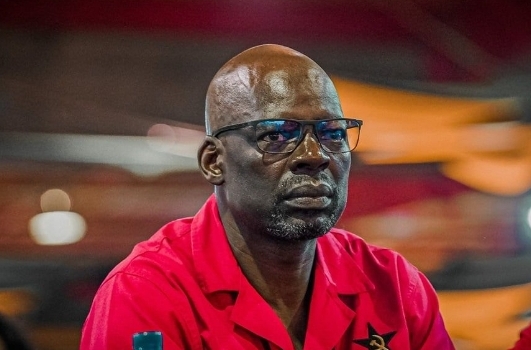


South African Communist Party (SACP) General Secretary Solly Mapaila has voiced strong criticism against the government’s decision to reduce the size of the public service workforce. The move, announced as part of the government’s efforts to address fiscal constraints, has drawn significant backlash from unions, political organizations, and public sector employees alike. Mapaila’s remarks highlight the growing tension between government austerity measures and the demands of workers for job security and better service delivery.
In his statement, Mapaila expressed deep concern over the government’s approach to managing its financial challenges. He argued that reducing the size of the public workforce would not only lead to widespread job losses but would also have severe consequences for the delivery of essential services, especially in sectors such as healthcare, education, and public safety. According to Mapaila, the decision reflects a lack of commitment to the working class and the most vulnerable citizens who rely heavily on public services.
The government’s decision comes in the context of mounting fiscal pressures, with South Africa facing significant economic challenges, including slow growth, high unemployment, and rising debt levels. As part of its strategy to manage the country’s finances, the government has prioritized reducing expenditure, particularly in the public sector, which accounts for a substantial portion of the national budget. However, critics like Mapaila argue that these austerity measures disproportionately affect the working class and the poor, further deepening inequality and social unrest.
Mapaila emphasized that the government’s decision undermines the principle of a developmental state, which prioritizes investment in human capital and infrastructure to drive economic growth and social progress. He argued that cutting jobs in the public sector contradicts the government’s stated commitment to reducing unemployment and addressing poverty. Instead of slashing jobs, Mapaila called for a more balanced approach that focuses on stimulating economic growth, increasing tax revenue, and curbing corruption to address fiscal constraints.
Unions representing public sector workers have echoed Mapaila’s sentiments, warning that the decision could lead to widespread strikes and protests. They argue that the government’s austerity measures have already placed significant strain on public servants, who face stagnant wages and increasing workloads due to understaffing. Reducing the workforce further, they claim, will only exacerbate these challenges and erode the quality of public services.
The implications of downsizing the public sector workforce extend beyond job losses. Analysts warn that such a move could undermine the government’s ability to meet its service delivery obligations, particularly in critical areas like education and healthcare. For instance, reducing the number of teachers could result in overcrowded classrooms and diminished learning outcomes, while cutting healthcare staff could compromise patient care and public health outcomes.
Mapaila also criticized the government for what he described as a lack of consultation with key stakeholders, including unions and civil society organizations. He argued that decisions of this magnitude should involve meaningful dialogue to ensure that all perspectives are considered and that the interests of workers and communities are protected. The failure to engage stakeholders, he said, reflects a growing disconnect between the government and the people it serves.
In his address, Mapaila called for the urgent implementation of alternative strategies to address South Africa’s fiscal challenges. He proposed measures such as progressive taxation, including higher taxes on wealth and luxury goods, as well as a crackdown on tax evasion and illicit financial flows. He also stressed the need to address corruption and mismanagement in state-owned enterprises, which have contributed significantly to the country’s fiscal woes.
The SACP’s criticism of the government’s decision highlights the broader ideological and political tensions within South Africa’s ruling alliance, which includes the African National Congress (ANC), the SACP, and the Congress of South African Trade Unions (COSATU). These tensions have become increasingly pronounced as the government grapples with the competing demands of fiscal discipline and social justice.
As the debate over the future of South Africa’s public service workforce continues, the government faces the daunting task of balancing its fiscal responsibilities with its commitment to social and economic transformation. Mapaila’s remarks serve as a reminder of the need for a people-centered approach to policymaking that prioritizes the interests of workers and communities over austerity measures. Whether the government can rise to this challenge remains to be seen.
“SACP’s Solly Mapaila Slams Government’s Plan to Cut Public Service Jobs Amid Fiscal Struggles”